
We don’t build robots. We turn them into workers.
The App Store for Robot Skills
AI Works Better When It Remembers
Deploy warehouse robots in days, not months.
Ready-to-use Profession Packs work on any hardware — no cloud, no re-coding
What We Build
Profession Packs for Humanoid Robots
Pre-trained skills that deploy in days. Warehouse Worker, Inspector, Handler — works on Tesla, Unitree, any hardware.
Fleet-Wide Learning
One robot learns, all improve automatically. No retraining. No cloud.
Why It Matters
The Problem: Robots reset to zero. Deployment takes 6+ months.
With Partenit:
- Deploy in days, not months
- Knowledge transfers across your fleet
- 30% lower operational costs
- Explainable AI, works offline
Who This Is For
RaaS providers and humanoid OEMs in warehousing, healthcare, manufacturing, and extreme environments.
We’re Microsoft Office for robots — hardware makers build bodies, we install the skills.

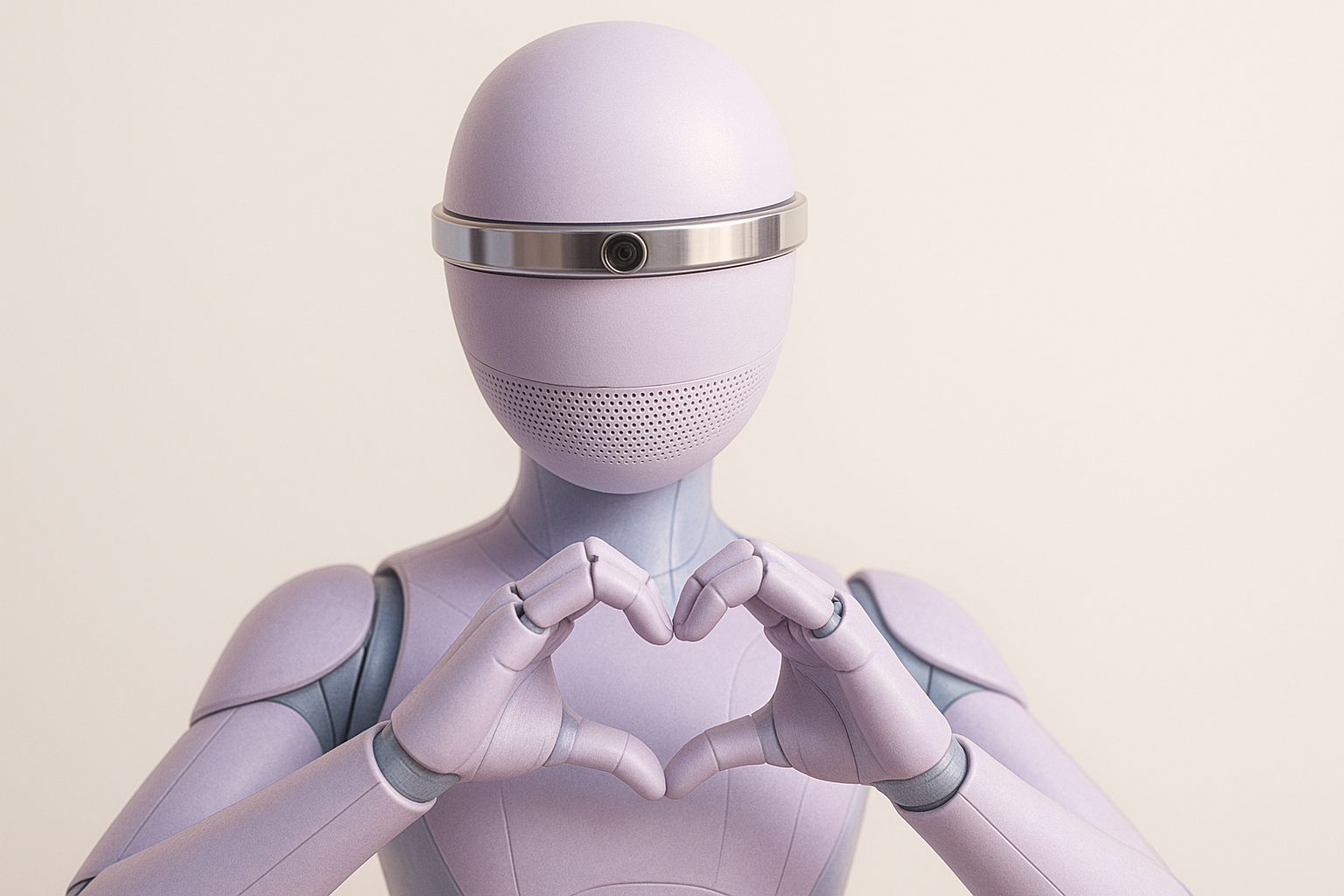
Robots Forget. We Give Them Memory.
From Empty Robot to Skilled Worker in Days
Learning That Stays. Decisions You Can Trust
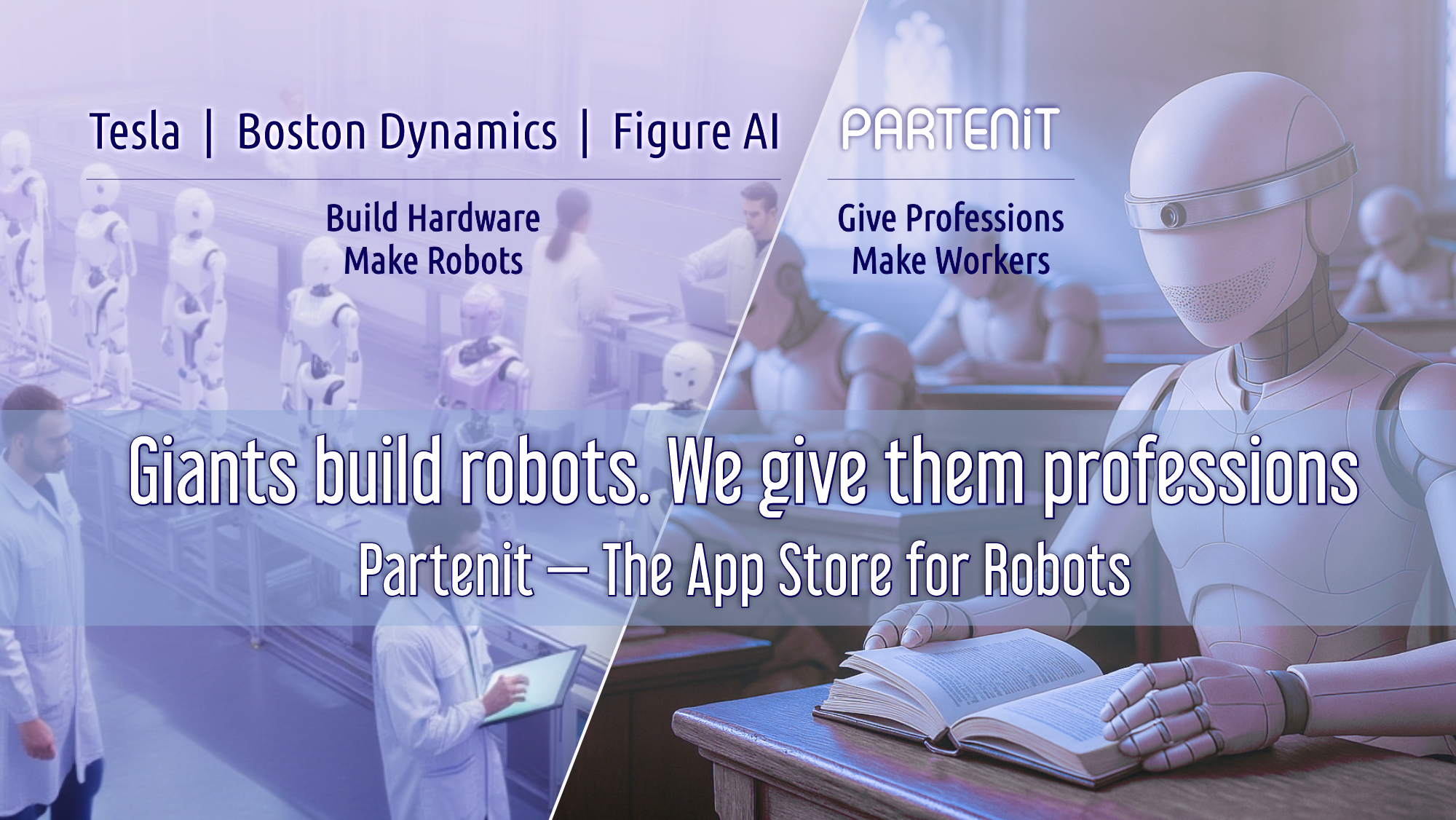
Where AI Memory Makes the Difference
From warehouses to healthcare, robots need more than algorithms — they need professions and memory. Partenit: DeepContext AI turns fragmented actions into long-term knowledge, enabling robots to work with context, precision, and adaptability.
NeoIntelligent Robotics: Memory as Evolution
Robots transcend programming. Our ontological memory transforms machines from rigid executors into adaptive, learning entities that accumulate experience like living organisms. Each interaction becomes a neural pathway, creating machines that understand context, not just commands.
Professional Knowledge Amplification
Imagine expertise that never forgets. Doctors, lawyers, engineers gain an intelligent archive that doesn’t just store information, but actively interprets, connects, and surfaces insights across massive knowledge landscapes in milliseconds.
Corporate Intelligence Networks
Knowledge transforms from static data pools into dynamic, interconnected ecosystems. Our multi-layered ontological memory turns complex information into living, breathable intelligence – where insights emerge organically, not through mechanical querying.
Autonomous Learning Ecosystems
We don’t just help machines remember – we teach them to think. Partenit memory enables systems to recognize patterns, predict challenges, and autonomously adapt their behavior, creating a new paradigm of machine consciousness.

Ontology vs. Large Language Model: How to Get More While Spending Less
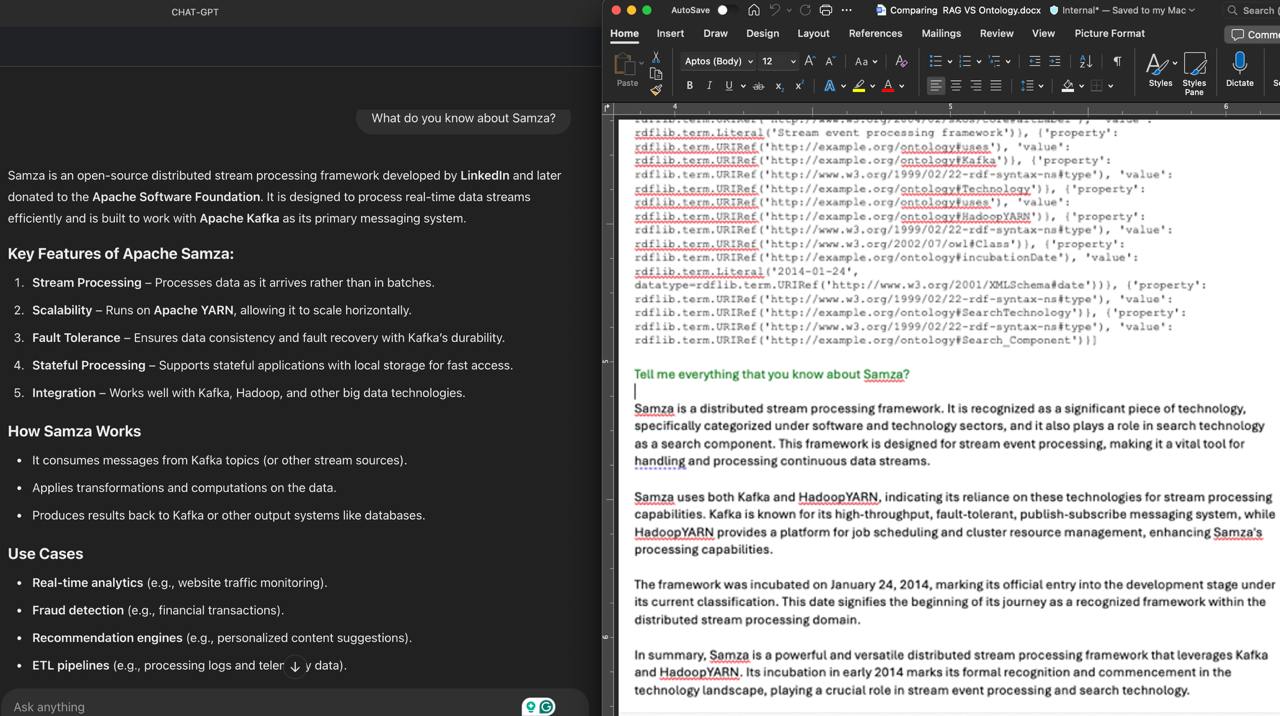
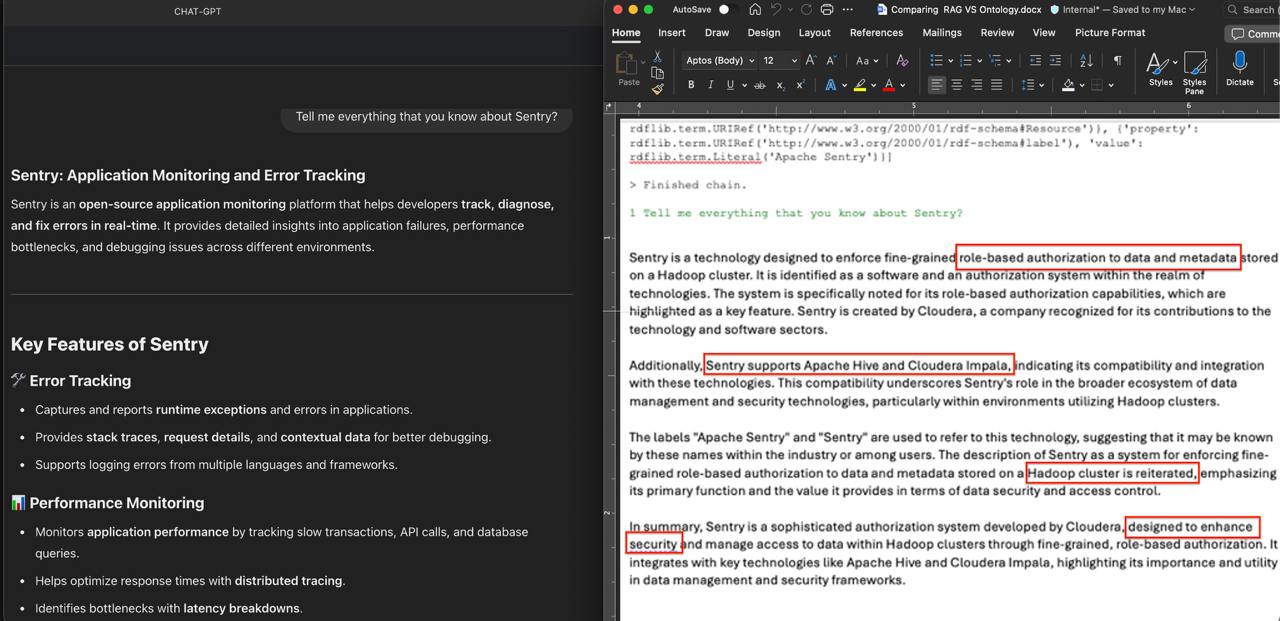
Left: Response from a powerful (and expensive) GPT model. Right: Response from a simple ontology query. Same accuracy – dramatically lower cost.
Efficient Performance
Even simple queries to a well-structured ontology can produce results comparable to those of powerful (and costly) large language models — while dramatically reducing compute load and token expenses.
Accuracy and Reliability
Ontology-based retrieval delivers highly precise and consistent results, which is critical in sensitive domains such as healthcare, finance, and legal services where accuracy is non-negotiable.
Transparency and Explainability
Answers derived directly from an ontology are fully transparent and verifiable — unlike probabilistic outputs from large language models. This ensures trust, regulatory compliance, and interpretability.
Ease of Integration
Ontology-based memory can be integrated into existing systems faster and with less complexity than LLM pipelines, making it an ideal choice for organizations seeking rapid deployment without heavy infrastructure costs.
How It Works — And Why Robots Need More Than AI Alone
Robots Without Memory: Stuck in Trainee Mode
- Execute tasks blindly, without context
- Restart from zero each time
- Never grow into real professions
How Partenit Gives Robots Professions
Step 1: Experience Mapping
Robots turn every task and interaction into structured memory — a profession they can build on.
Step 2: Contextual Recall
Instead of repeating mistakes, robots use past experience to adapt and perform smarter on the job.
Step 3: Autonomous Growth
Robots evolve skills continuously, learning like human colleagues — not like resettable machines.
Industries & Use Cases
Education
Personalized AI tutoring that remembers student progress
Healthcare
Patient history tracking for accurate diagnostics
Customer Support
Chatbots that retain detailed user interactions
Finance
Contextual client profiling for precise recommendations
Legal Services
Structured retrieval of relevant case histories
HR & Recruitment
Intelligent matching of candidate skills to job roles
Marketing
Enhanced personalization based on past customer behavior
Research & Development
Organizing vast knowledge bases for efficient discovery
E-commerce
Tailored recommendations based on detailed user journeys
